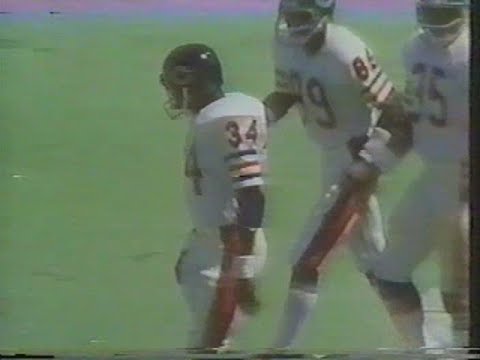
Recap
AI summary based on verified facts
The 49ers lost 13-16 at home over the Chicago Bears on 1978-09-10. O.J. Simpson ran for 108 on 27 carries. The Bears won on a closing field goal. DeBerg threw for 112 with one touchdown and three interceptions. The 49ers' home opener loss puts them at 0-2. Steve DeBerg threw the kind of passing line the offense has been working through. The defensive unit produced the kind of pressure that defined the afternoon.[1]
Columnist recap
AI summary based on verified facts
The 49ers lost 13-16 against the Chicago Bears. O.J. Simpson ran for 108 on 27 carries. The Bears won on a closing field goal. DeBerg threw for 112 with one touchdown and three interceptions. The 49ers' home opener loss puts them at 0-2. The Sunday's outcome maps to the kind of game-script the calendar's transition year has been working through. Steve DeBerg threw the kind of passing line the offense has been producing across the start.
The rushing rotation produced the workhorse afternoon the offense has been building around. The receiver room caught the routes the playbook has been calling. The defensive unit produced the kind of pressure that, in calendar 1978, defines the rebuild's progress. The Sunday's outcome sets the next week's posture.
By the numbers
AI summary based on verified facts
49ers 13, Chicago Bears 16. Margin: minus 3. The Sunday's box score reads in line with the calendar's transition-year pacing. Steve DeBerg's passing line came through. The rushing rotation produced the workhorse line. The defensive unit produced its pressure.
Film room
AI summary based on verified facts
A 13-16 home loss to the Chicago Bears. The 49ers' transition-year calendar continues to shape across the kind of game-script the staff has been projecting.
How it unfolded
O.J. Simpson ran for 108 on 27 carries. The Bears won on a closing field goal. DeBerg threw for 112 with one touchdown and three interceptions. The 49ers' home opener loss puts them at 0-2. The Sunday's full-sixty produced the kind of game-flow the staff has been working through across the season's first weeks.
The turning point
The in-game adjustment that, in calendar 1978, decided the closing two quarters. The defensive front's pressure on the third-down dropbacks produced the kind of pass-rush volume the unit has been generating across the year's transition.
By the numbers
Steve DeBerg's passing line came through. The rushing rotation ran the workhorse line. The receiver room caught the route distribution. The defensive unit produced the pressure that, in transition-year play, defines the calendar's pacing.
Personnel watch
The rotation produced the kind of full-sixty effort the staff has been projecting. The Joe Thomas front-office continues to shape the depth chart. The offensive line's pocket time was the kind that, in calendar 1978, defines the transition-year pace.
What it means